
Everyone’s making videos these days. Your competitors are posting daily. Industry experts are going live every week. The internet is drowning in video content.
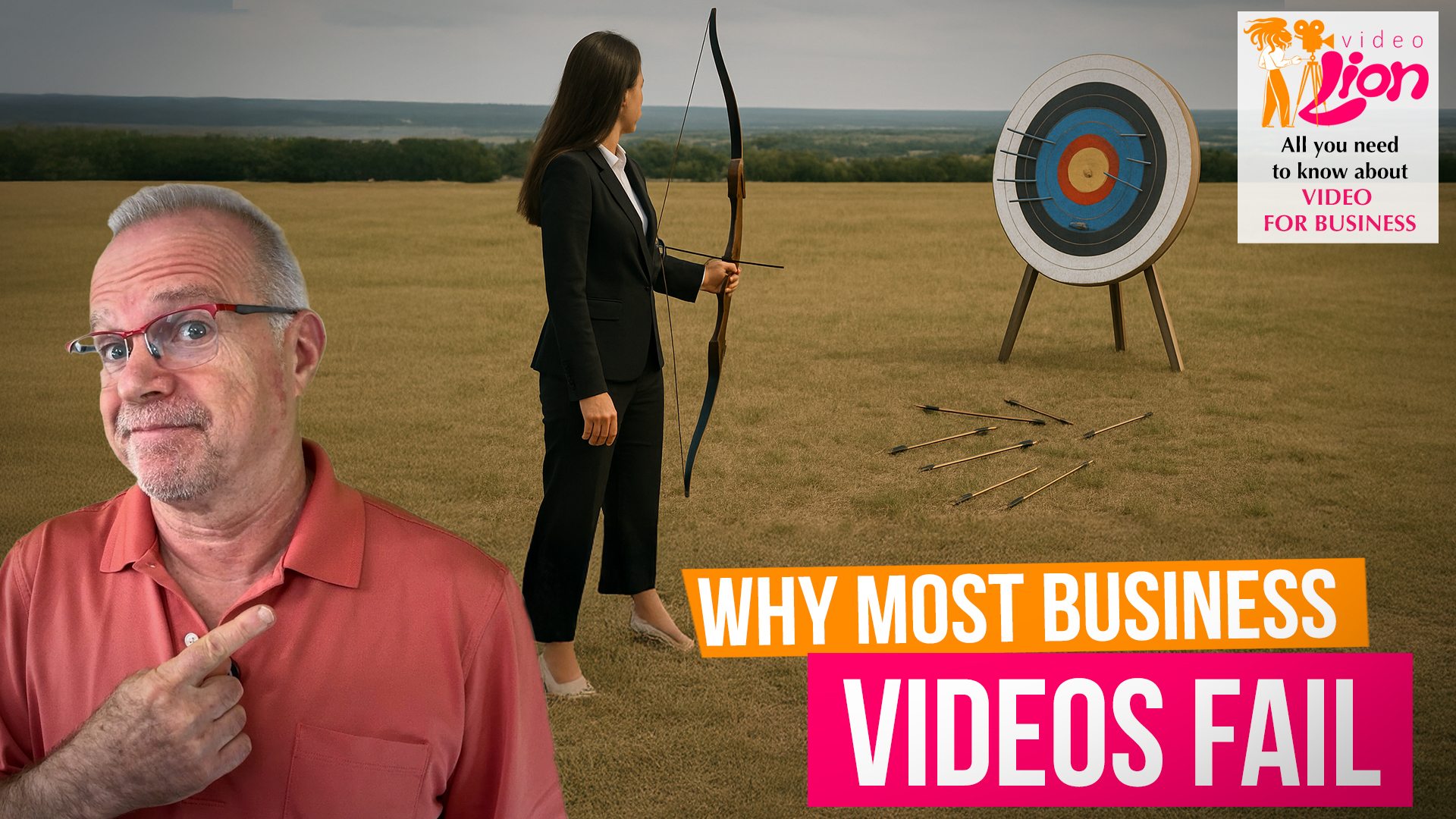
So why are most business videos complete failures?
Here’s the uncomfortable truth: it’s not your camera quality, your lighting, or even your budget. The reason most business videos fail has nothing to do with production value and everything to do with a fundamental misunderstanding of what video marketing actually is.
In today’s Video Lion, I’m going to reveal the real reason why 90% of business videos get ignored—and how to make sure yours don’t join that pile.
Come with me!
Let’s start with what most people think video failure looks like. They assume it’s about low view counts, poor engagement, or bad production quality. But those are just symptoms. The real disease runs much deeper.
The Fatal Flaw Most Businesses Make
Here’s the mistake that kills most business videos before they even have a chance: they’re created for the business, not for the audience.
Think about the last promotional video you watched from a company. What did they talk about? Their history. Their values. Their awards. Their process. Their, their, their.
But here’s what your audience actually cares about: themselves. Their problems. Their goals. Their results. Their success.
When you make your business the hero of your video, you’ve already lost. Your audience doesn’t want to hear about how great you are—they want to know how you can make them great.
The “So What?” Test
Here’s a simple test for any business video: after every claim you make, ask “So what?”
“We’ve been in business for 20 years.” So what? “We use the latest technology.” So what? “We have a dedicated team.” So what?
If you can’t immediately answer with a benefit that matters to your audience, cut that part. Ruthlessly.
The only “so what” that matters is: “So you can get the results you want faster, easier, or better than any other option.”
The Three Types of Videos That Always Fail
Type 1: The Corporate Ego Stroke These videos exist to make the company feel good about itself. Lots of shots of the office, the team laughing in meetings, and generic statements about “excellence” and “innovation.” They fail because nobody outside the company cares.
Type 2: The Feature Laundry List These videos list every single thing a product or service can do. They fail because features without context are meaningless. Your audience doesn’t want to know what it does—they want to know what it does for them.
Type 3: The Generic Industry Video These could be made by any company in the industry. They use the same buzzwords, the same stock footage, the same promises. They fail because they’re forgettable. If your video could work for your competitor by just changing the logo, it’s not working for you.
What Actually Makes Videos Succeed
Successful business videos do three things that failing ones don’t:
They Start With a Problem, Not a Solution Before you mention what you do, establish why it matters. What’s the pain point? What’s the frustration? What’s keeping your audience up at night? Hook them with their own problem before you reveal your solution.
They Show, Don’t Tell Instead of saying “We provide excellent customer service,” show a customer getting a problem solved in real-time. Instead of claiming “fast results,” show a before-and-after transformation. Proof beats promises every time.
They Have One Clear Message Every successful video has one main point. Not three points, not five benefits, not a comprehensive overview. One clear, focused message that the viewer can remember and act on.
The Content-to-Promotion Ratio
Here’s a rule that will revolutionize your video strategy: follow the 80/20 rule. Eighty percent of your video should provide value—education, entertainment, or insight. Only twenty percent should be about your business.
When you flip this ratio, your videos become commercials. And nobody seeks out commercials to watch.
The Real Success Metric
Most businesses measure video success by views and likes. But the only metric that really matters is this: does your video move people closer to a purchasing decision?
A video with 500 views that generates three qualified leads is infinitely more successful than a video with 5,000 views that generates zero business.
The Fix
Before you create your next video, ask yourself these three questions:
1.What specific problem does this solve for my audience?
2.What one thing do I want viewers to think, feel, or do after watching?
3.How does this help them, not me?
If you can’t answer these clearly, don’t hit record yet.
Remember: your video isn’t failing because of technical issues. It’s failing because it’s not about the right person—your audience. Make them the hero of your story, and watch everything change.
That’s it for today. Before you go, don’t forget to give us a like or leave a comment, and, if you haven’t done it yet, subscribe to our channel to stay informed about everything related to video for business.
See you in the next Video Lion!